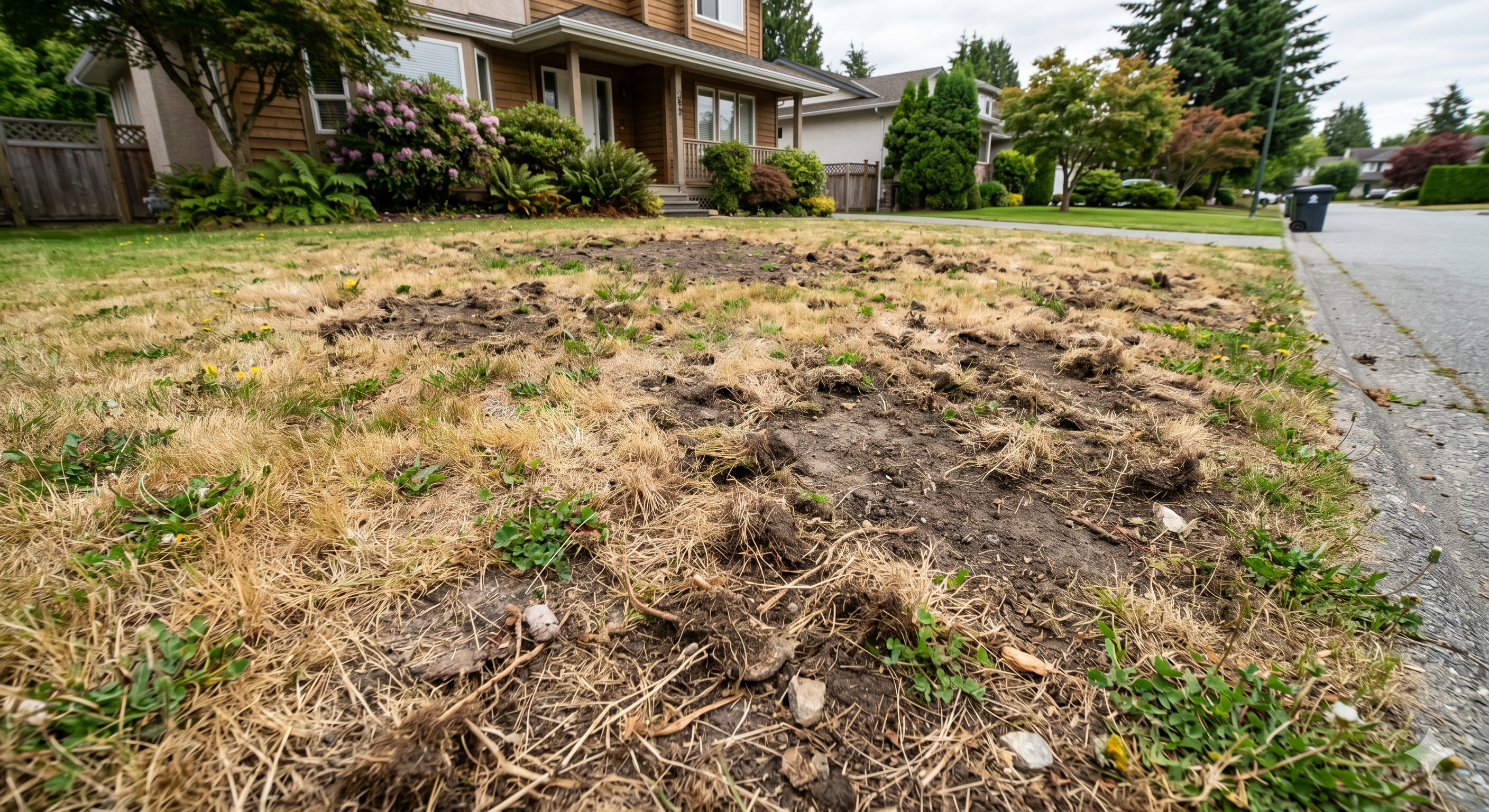
Grubs Wrecking Your BC Lawn?
Artificial turf ends the grub cycle for good. Get a free quote.
Lawn Grub Damage — BC Homeowners
Grubs Are Destroying Your BC Lawn. Artificial Turf Gives You Your Yard Back.
If your BC lawn keeps developing patchy, yellowing, or dead areas — especially after wet fall weather — grubs may be eating the roots from underneath. There's a long-term solution that doesn't involve another round of reseeding, sod, or pest treatment — and we can bring samples to you anywhere in BC.
What's Really Happening Underground
Your Grass Isn't Dying — It's Being Eaten From Below
Many BC homeowners spend years chasing a mystery lawn problem. The grass thins, yellows, or dies in patches — often in the same spots, season after season. Watering more doesn't help. Fertiliser doesn't hold. Reseeding takes, then fails again.
The likely cause isn't on the surface. Lawn grubs — the larval stage of beetles, most commonly the European chafer beetle in BC — live beneath the soil and feed on grass roots throughout the late summer and fall. By the time the damage is visible above ground, the root system is already compromised.
Grass that has lost its roots cannot absorb water or nutrients effectively, which is why patches appear even on a lawn that gets plenty of irrigation.
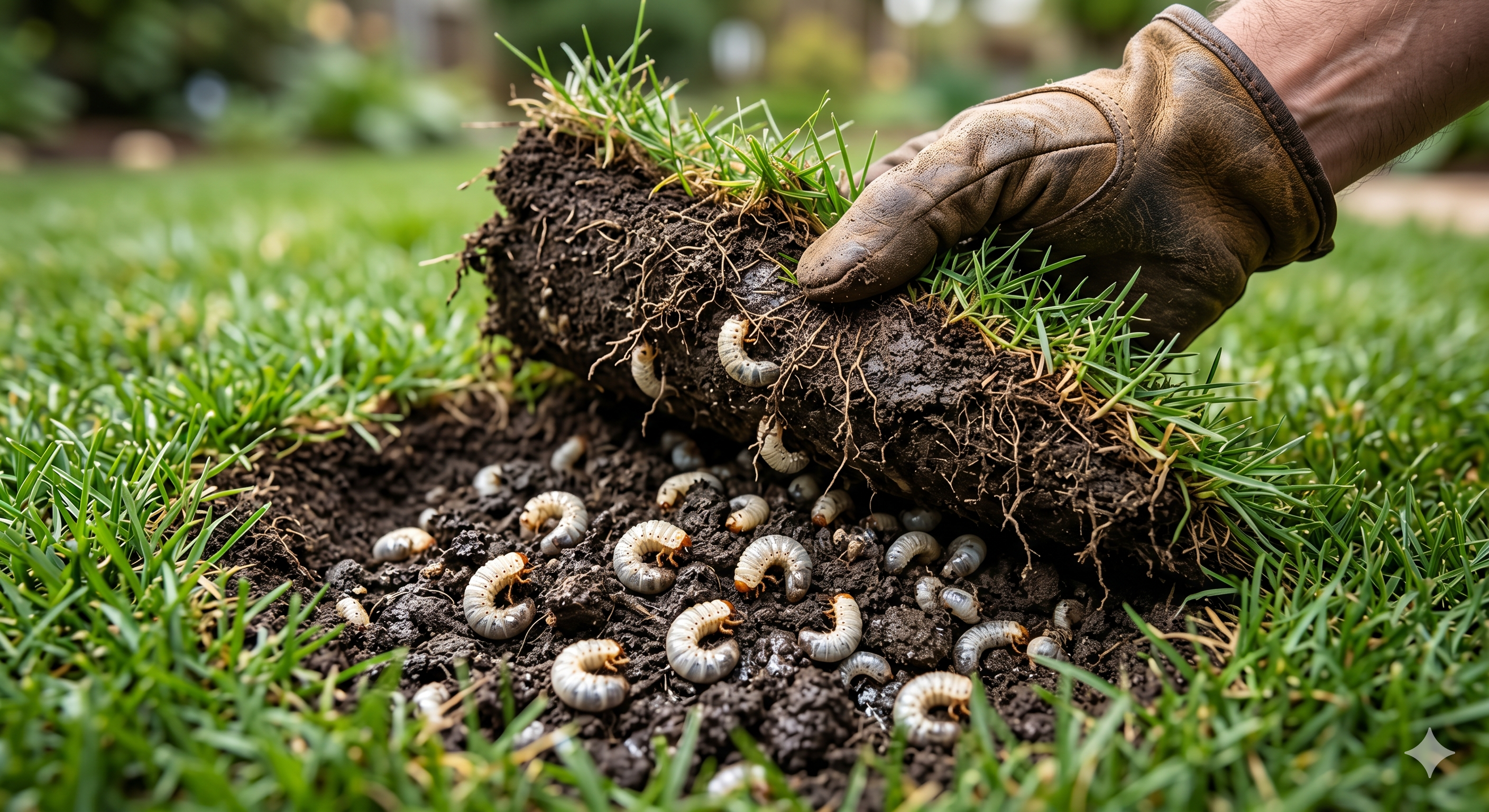
What are lawn grubs? Grubs are the C-shaped larvae of beetles that lay their eggs in lawns during summer. In British Columbia, the European chafer beetle is the most widespread species affecting residential lawns. The larvae hatch in late summer, feed on roots through fall, overwinter in the soil, and resume feeding in early spring.
Get Started
Ready to End the Grub Cycle in BC?
Send us the basics and one of our BC-based turf specialists will get back to you within one business day with product recommendations and next steps. If you're in the Lower Mainland we'll book a showroom visit; on Vancouver Island or elsewhere in BC, your local rep will bring samples to you. No pressure, no obligation.
Prefer to talk?
Call (604) 757-2899 Mon–Fri 9:30AM–4:00PM
Or visit our Maple Ridge showroom.
“The PGB team spent an hour walking me through which turf and infill was actually right for two dogs and a shaded backyard. They talked me out of the pricier turf. Two years in, it still looks brand new.”
“Third autumn in a row the crows and skunks tore the front lawn to shreds. We put turf down in the spring and haven't touched a rake since.”
“We reseeded twice and paid for nematodes both years. It still came back. Turf was cheaper than another two seasons of repairs.”
“Chafer beetles had the boulevard looking like a dig site. The PGB rep measured, sent samples, and the installer was booked within the week.”
“Our strata had grub damage across four common areas. One supplier, one spec, no more annual patch jobs or complaints from owners.”
Why BC Lawns Are Especially Vulnerable
Wet Weather, Soft Soil, and Wildlife Make It Worse
British Columbia's wet fall and winter conditions create near-perfect conditions for grub activity and the secondary damage that follows.
European Chafer Beetle
BC's most common lawn grub pest. Females lay eggs in lawns in early summer; larvae feed on roots throughout fall and spring — often undetected until damage is widespread.
Wet, Soft Soil Conditions
BC's heavy fall and winter rainfall keeps soil moist and soft, making it easier for larvae to move through the root zone — and easier for animals to dig.
Raccoons, Skunks & Crows
Once grubs are present, wildlife follows. Raccoons, skunks, and crows actively dig up lawns to feed on grubs — tearing apart weakened areas overnight.
Neighbourhood Spread
Chafer beetles are strong fliers. Even after treatment, beetles from neighbouring properties can re-infest within the same season.
Lower Mainland and Fraser Valley homeowners take note: European chafer beetle populations have expanded significantly across Metro Vancouver, Burnaby, Surrey, Langley, Coquitlam, Maple Ridge, Pitt Meadows, Abbotsford, Mission, and surrounding communities. Many municipalities have reduced or eliminated insecticide programs — leaving homeowners to manage the problem on their own.
Recognising the Problem
Signs Your Lawn May Have Grub Damage
Grub damage can look like many different things, which is why it's often misdiagnosed as drought stress, shade, or soil issues. Here's what to look for:
Yellow or brown patches that don't recover
Patches that don't respond to watering or fertiliser are a strong sign of root damage below the surface.
Grass that lifts away easily from the soil
If sections of lawn peel back like a loose carpet, the roots have been severed by grub feeding.
Soft or spongy areas underfoot
A spongy feel in certain areas can indicate the root zone has been hollowed out beneath the surface.
Raccoons, skunks, or birds digging overnight
If wildlife is tearing up your lawn in targeted areas, they are likely tracking grubs below the surface.
Thinning grass despite regular watering
When roots are damaged, water passes through without being absorbed — the grass struggles even with good irrigation.
Recurring dead spots in the same locations
If the same areas die back every year regardless of treatment, grubs may be returning and re-feeding in those zones.
Muddy, bare patches after rain
Weakened or absent grass in damaged areas turns to mud quickly in BC's rainy season.
Lawn damage returning year after year
Repeated annual damage despite reseeding and repair is one of the clearest signs of an ongoing grub cycle.
To confirm grub activity, peel back a small section of damaged turf. Finding more than 5–10 white, C-shaped larvae per square foot is generally considered a significant infestation.
The Frustrating Reality
Why Natural Grass Repairs Often Become a Cycle
Natural grass can recover from grub damage — but it takes time, money, and ideal conditions. For many homeowners, repairs simply buy another season before the problem returns.
Grubs feed on roots
Late summer through fall, larvae damage the root system
Patches appear, animals dig
Visible damage emerges; wildlife tears up weakened areas
Reseeding and repairs
Reseed, lay sod, apply fertiliser and pesticide — at significant cost
Recovery — partial or full
Lawn recovers through spring; looks reasonable through summer
Cycle repeats
New beetles re-infest; the process begins again next season
This isn't a criticism of natural grass — it can be beautiful under the right conditions. But for BC homeowners dealing with persistent grub pressure, wet conditions, and annual wildlife damage, it can begin to feel like a yard you're maintaining rather than enjoying. That's where artificial turf offers a genuinely different kind of solution.
Real BC Yards
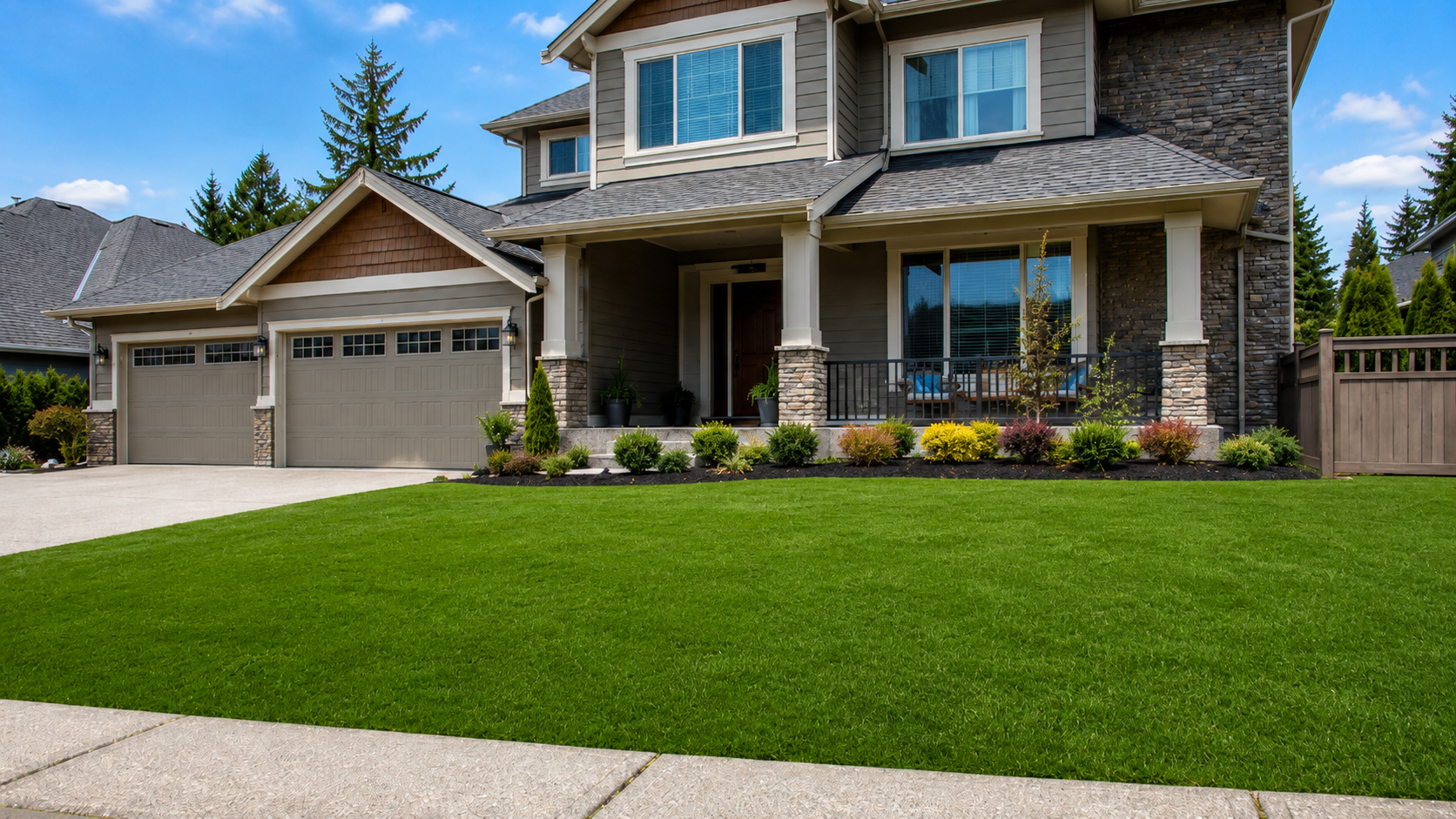
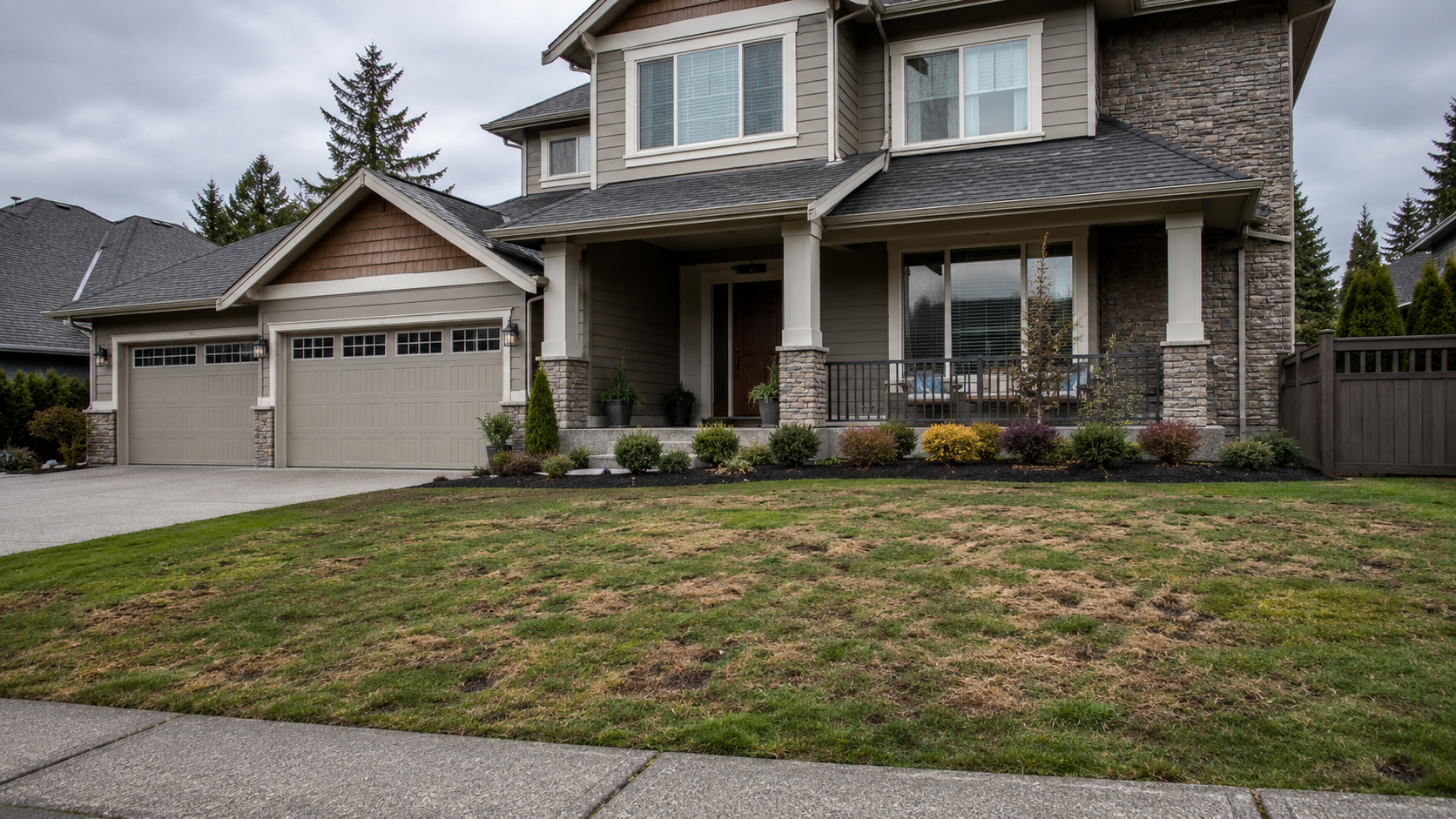
Before & After
Before — Grub-damaged lawn
After — Artificial turf installed
The Artificial Turf Solution
No Roots to Destroy. No Cycle to Break.
Artificial turf doesn't rely on a living root system — which means it removes the very thing grubs (and the damage they cause) depend on.
No living roots for grubs to damage
Artificial turf has no organic root system. Grubs have nothing to feed on, removing the core of the problem at the source.
Reduces animal digging activity
Without exposed grubs in soft, damaged soil, the conditions that attract raccoons, skunks, and birds are significantly reduced.
No reseeding, sod, or seasonal repairs
Once installed, artificial turf does not require reseeding or seasonal patching. The surface stays consistent year-round.
Stays green and usable year-round
In BC's rainy season, damaged natural lawns turn muddy. Artificial turf drains quickly and stays firm, clean, and green.
No mowing, watering, or fertiliser
Artificial turf eliminates the ongoing inputs that natural grass recovery requires.
Safe for kids, pets, and high-traffic use
Quality artificial turf is non-toxic, lead-free, and designed for family and pet environments.
Who Benefits Most
Is Artificial Turf Right for Your Situation?
Artificial turf isn't the right solution for every property — but for these situations, it consistently delivers results that natural grass repair cannot match.
Homeowners Tired of Repeating Repairs
If you've reseeded, sod'd, or pest-treated the same areas more than twice, artificial turf is worth a serious look.
Dog Owners
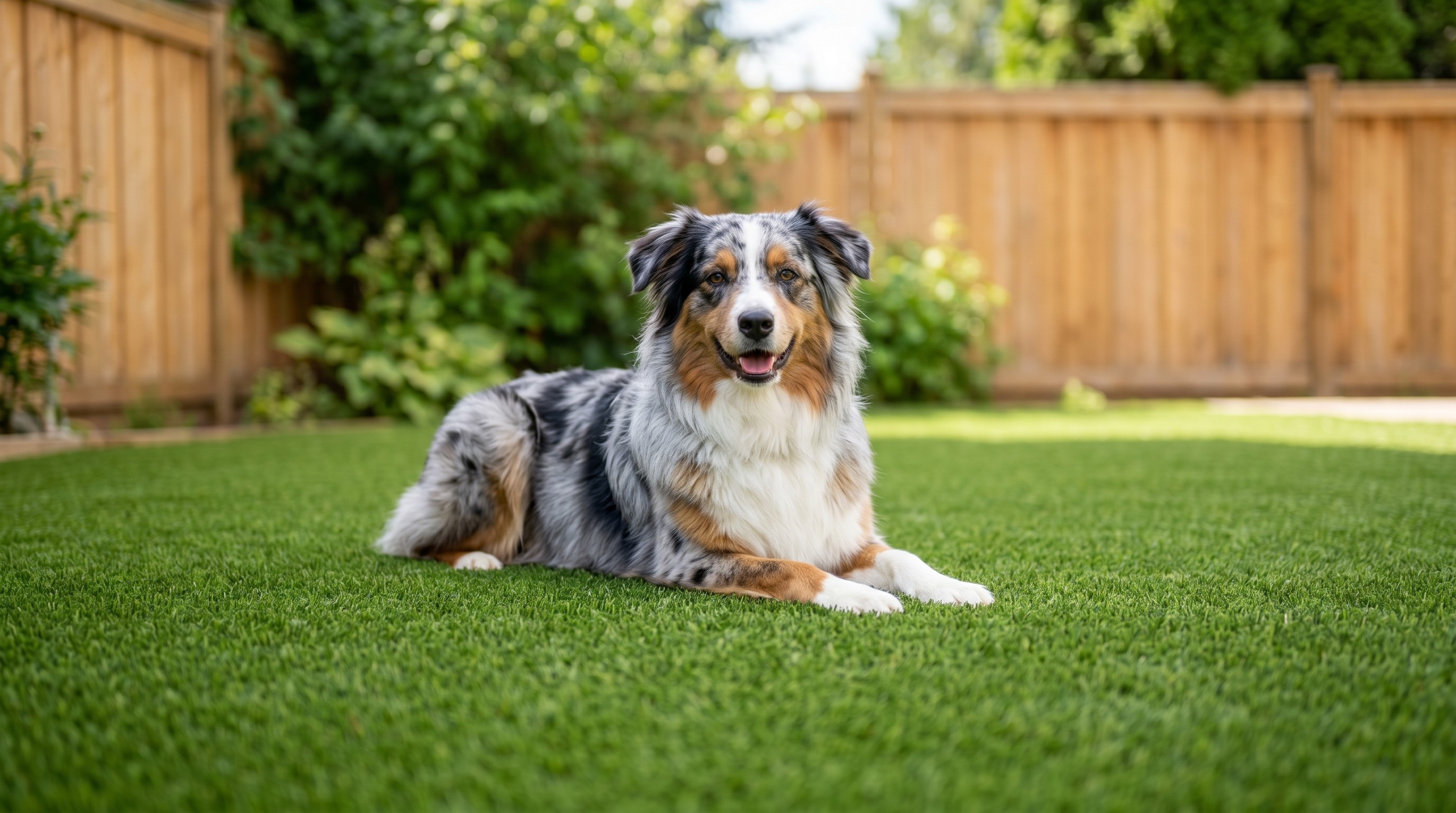
Dogs add lawn stress on top of grub damage. Turf handles pet traffic and eliminates muddy paw prints year-round.
Families with Kids
A consistently safe, clean, usable yard regardless of season. No bare patches, no muddy areas.
Shaded Yards
Natural grass struggles in shade even without grubs. Artificial turf thrives where light is limited.
Rental & Investment Properties
Reduce ongoing landscaping costs. Turf holds up under tenant use without seasonal lawn care.
Strata & Townhome Yards
Common area lawns damaged by grubs are a frequent strata headache. Turf is low-maintenance and consistently presentable.
Contractors & Landscapers
If your clients are dealing with recurring chafer damage, artificial turf is a high-value solution to offer.
High-Traffic Backyards
Any yard that sees heavy use benefits from a surface that doesn't wear away or turn to mud under pressure.
Premium Grass Blades Products
Professional Turf for BC Homes — Built for the Long Term
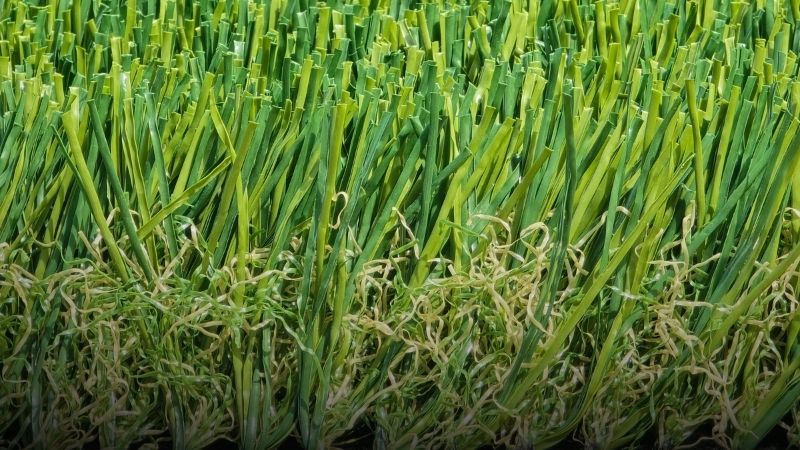
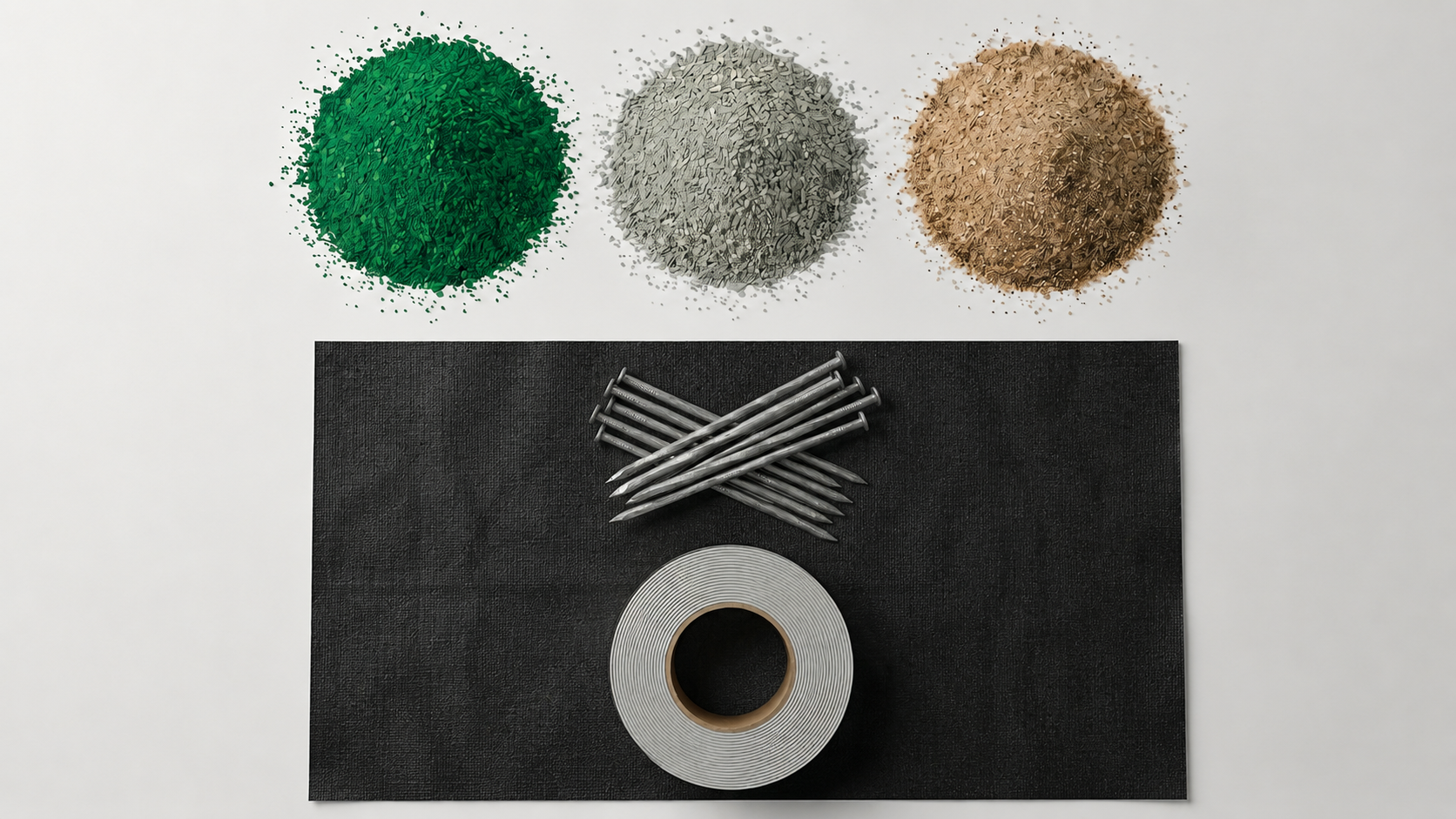
Premium Grass Blades supplies professional-grade artificial turf to homeowners, contractors, and landscapers across British Columbia. Our turf is selected for Canadian conditions — UV-stable, drainage-optimised, and designed to perform through BC weather.
Side by Side
Natural Grass vs. Artificial Turf — for Grub-Affected BC Lawns
| Comparison Point | ⚠️ Natural Grass (Grub-Affected) | ✓ Artificial Turf |
|---|---|---|
| Root damage from grubs | Root system destroyed — grass dies in patches | No living roots — grubs have no food source |
| Animal digging | Raccoons and skunks dig up weakened lawn to find grubs | Removes the conditions that attract digging wildlife |
| Recurring annual repairs | Reseeding, sod, and treatment often repeated yearly | No seasonal repairs once installed |
| Muddy patches in BC rainy season | Bare areas turn to mud in fall and winter | Drains quickly and stays firm and clean year-round |
| Appearance through winter | Thin, patchy, brown, or bare in affected areas | Consistently green regardless of season |
| Water requirements | Regular irrigation needed; less effective on damaged roots | No irrigation required |
| Mowing and maintenance | Ongoing mowing, fertiliser, aeration, treatment | Minimal — occasional brushing and rinse |
| Safety for pets and kids | Pesticide treatments create temporary exposure risks | Non-toxic, lead-free, no chemical treatments |
| Year-round usability | Unusable in wet or damaged areas during rainy months | Usable year-round in all BC weather |
Common Questions
Frequently Asked Questions
Honest answers to what BC homeowners most commonly ask about grubs and artificial turf.
Do grubs damage artificial turf?+
Does artificial turf stop chafer beetle damage?+
Will raccoons still dig up artificial turf?+
Is artificial turf a good option for BC homes?+
Is artificial turf safe for dogs and kids?+
Can artificial turf be installed over a grub-damaged lawn?+
What happens to drainage after artificial turf is installed?+
Is artificial turf better than constantly repairing natural grass?+
Visit Us or Have Us Come to You
See the Difference before You Buy
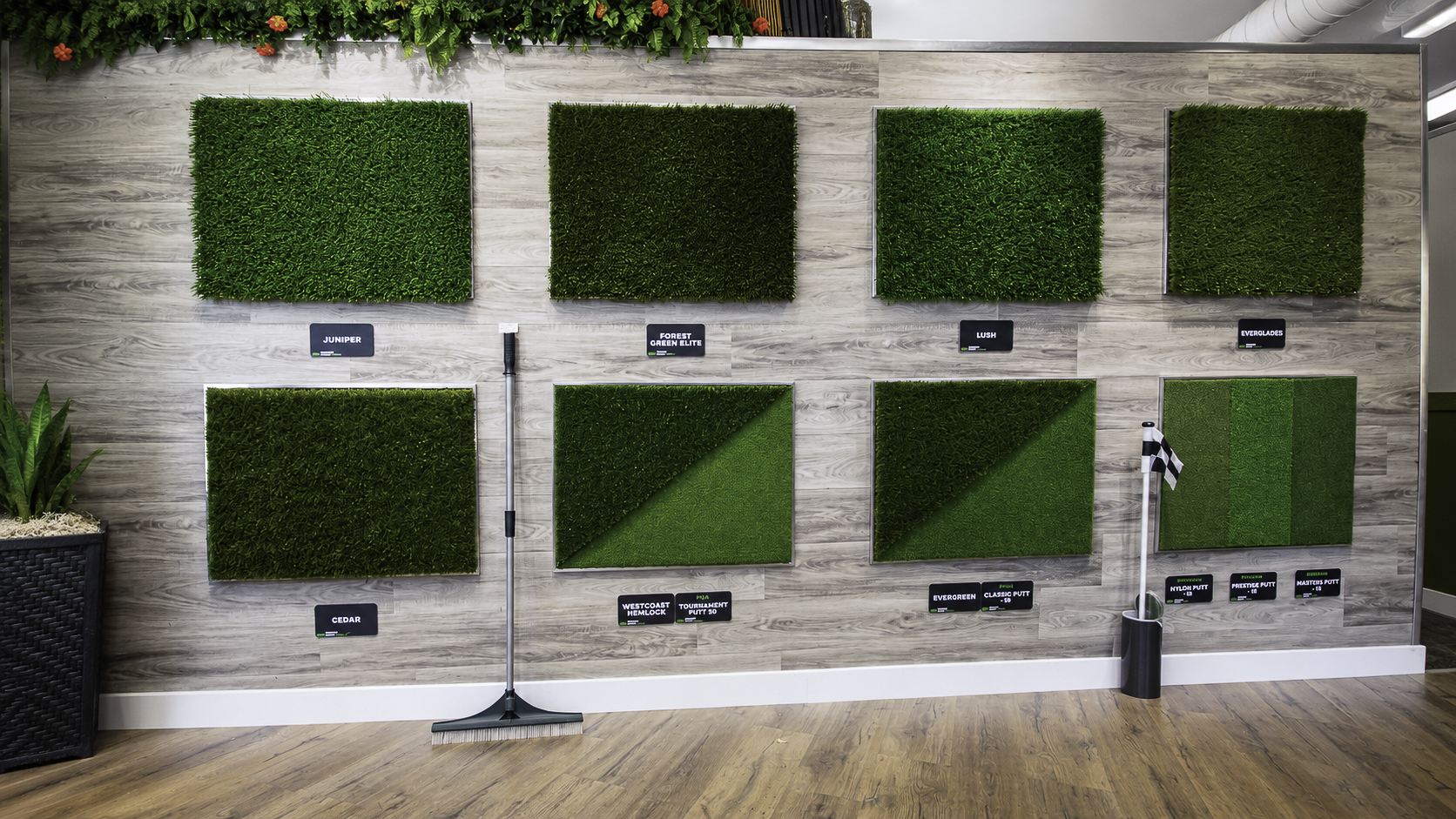
Our Maple Ridge showroom serves the Lower Mainland with every turf in our lineup as physical samples. On Vancouver Island and throughout the rest of BC, our sales reps bring samples directly to wherever you are in BC — so you can feel the pile height and density in person before you commit.
Showroom & Warehouse
#102 – 20285 Stewart Crescent, Maple Ridge, BC
Hours
Monday – Friday: 9:30AM – 4:00PM • Sat/Sun: Closed
Phone
(604) 757-2899
© 2026 Premium Grass Blades. All rights reserved.
Serving all of British Columbia